Ultimate AI Tools Guide September 2026: 50+ Tools Tested for Coding, Art, Video, Writing & Office
September 2026 has brought a wave of major AI tool updates — OpenAI launched Sora 2, Google released Veo 3.1, Kuaishou’s Kling 3.0 now supports 4K long-form video, and Claude Code has become the new benchmark for terminal-based coding. With new tools launching every week, which ones are actually worth your time?
This guide is the result of our team testing over 100 tools. We’ve selected 50+ genuinely useful AI tools across five categories: coding, image generation, video, writing, and productivity. Each tool includes its free tier details, core features, and an honest rating. Whether you’re a developer, designer, content creator, or office worker, you’ll find the right AI tool here.
Evaluation Criteria
Before diving into the rankings, here are our evaluation dimensions:
| Dimension | Weight | Description |
|---|---|---|
| Free Tier | 30% | How much can you use without paying? Is there a real free tier, not just a trial? |
| Feature Completeness | 25% | Does the free version cripple core functionality? |
| Output Quality | 25% | How professional is the output? Can it be used in production? |
| Ease of Use | 20% | Learning curve, documentation quality, community activity |
One principle: We only recommend tools where “the free tier actually gets work done.” Tools that give you 5 tries before hitting a paywall are not on this list.
1. Top 10 AI Coding Tools (September 2026)
AI coding tools in 2026 have split into three camps: IDE-integrated (Cursor, Windsurf, Trae), terminal-based (Claude Code, OpenCode, Aider), and code completion (Copilot, Codeium, Supermaven). Choosing the wrong camp is more costly than choosing the wrong tool.
| Rank | Tool | Free Tier | Core Feature | Rating |
|---|---|---|---|---|
| 1 | Claude Code | Daily free quota | Terminal AI coding, multi-file editing | 4.9 |
| 2 | Cursor | Free version available | AI code editor, context awareness | 4.8 |
| 3 | GitHub Copilot | Free for students/OSS | Code completion, IDE integration | 4.7 |
| 4 | Windsurf | Free version available | AI IDE, Cascade workflow | 4.6 |
| 5 | OpenCode | Completely free | Terminal AI coding, open source | 4.5 |
| 6 | DeepSeek Code | Free | Code generation, ultra-low API pricing | 4.5 |
| 7 | Trae | Free | AI IDE, by ByteDance | 4.4 |
| 8 | Qwen Coder | Free quota | Code generation, by Alibaba | 4.3 |
| 9 | Kimi K3 | Free quota | Code generation, long context | 4.2 |
| 10 | Amazon Q | Free quota | AWS integration, enterprise-grade | 4.1 |
1. Claude Code (4.9/5) — The New King of Terminal Coding
Anthropic’s Claude Code has firmly taken the top spot for terminal-based AI coding in September 2026. It’s not just “ChatGPT in a terminal” — it can read and write your entire project, understand dependencies between files, execute shell commands and observe output, then autonomously decide the next step.
Free tier: Claude’s free version includes a daily quota for Claude Code; when used with the API, Claude Sonnet 4.5 pricing is extremely low.
Key advantages:
- Multi-file editing far surpasses competitors — one operation can refactor across 10+ files
- Built-in Git operations: auto-commit, branch creation, PR submission
- MCP protocol support for connecting to databases, APIs, external tools
Best for: Developers comfortable with the terminal, especially full-stack, DevOps, and systems programmers.
📖 Deep dive: Claude Code CLI Complete Guide
2. Cursor (4.8/5) — The IDE That Understands Code
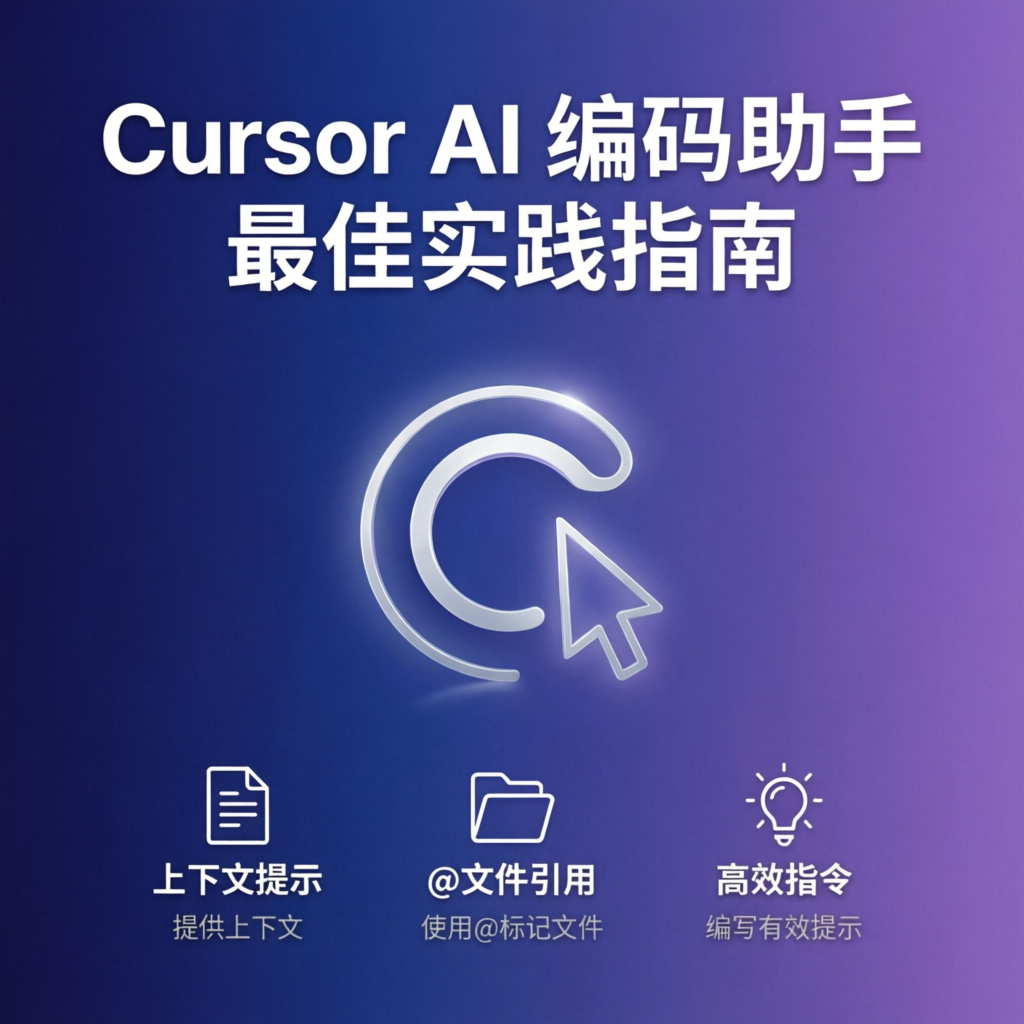
Cursor is a VS Code fork with a major differentiator: context awareness — it indexes your entire codebase and automatically references relevant files when you ask questions. The Composer feature can modify multiple files simultaneously with side-by-side diffs.
Free tier: 2,000 completions + 50 slow requests per month.
Best for: VS Code users wanting a seamless switch to an AI-native IDE.
📖 Deep dive: Cursor Best Practices Guide
3. GitHub Copilot (4.7/5) — Ecosystem King
Copilot’s biggest change in 2026 is Agent Mode — no longer just completing code, it can understand issue descriptions, make plans, modify multiple files, run tests, and auto-fix failures.
Free tier: Completely free for students, teachers, and open-source maintainers.
📖 Deep dive: 2026 Free AI Coding Assistants Comparison
4-10 Quick Takes
- Windsurf: Cascade workflow great for large projects, free version has limits.
- OpenCode: Fully open-source terminal AI coding, works with any LLM API, zero cost.
- DeepSeek Code: The pricing disruptor — code quality rivals GPT-4 at a fraction of the cost.
- Trae: ByteDance’s AI IDE, free with built-in Chinese models, developer-friendly in China.
- Qwen Coder / Kimi K3: China’s top coding models — Qwen excels in code accuracy, Kimi in long context.
- Amazon Q: The go-to for AWS tech stacks, directly operates S3, Lambda, CloudFormation.
2. Top 10 AI Image Generation Tools (September 2026)
The biggest change in image generation in 2026 is the breakthrough in text rendering — Ideogram 3.0 and Flux 2 finally make AI-generated poster text legible. Another trend: open-source models catching up to closed-source, with Flux 2 and Stable Diffusion 4 matching Midjourney in quality.
| Rank | Tool | Free Tier | Core Feature | Rating |
|---|---|---|---|---|
| 1 | Midjourney V7 | No free tier | Highest quality images | 4.9 |
| 2 | Ideogram 3.0 | Daily free quota | King of text rendering | 4.7 |
| 3 | DALL-E 4 | Available to ChatGPT users | OpenAI ecosystem integration | 4.6 |
| 4 | Flux 2 | Completely free (open source) | Best open source, local deployment | 4.5 |
| 5 | Reve AI | Free quota | High quality, diverse styles | 4.4 |
| 6 | Stable Diffusion 4 | Completely free | Local deployment, plugin ecosystem | 4.3 |
| 7 | Adobe Firefly | Free quota | Commercially safe, PS integration | 4.3 |
| 8 | Recraft AI | Free quota | Design tool, brand consistency | 4.2 |
| 9 | Nano Banana | Free | Fast generation, lightweight | 4.1 |
| 10 | Hailuo AI | Free quota | By MiniMax, Chinese style | 4.0 |
1. Midjourney V7 (4.9/5) — Quality Ceiling
Midjourney V7 remains the quality ceiling in September 2026. Its lighting, material textures, and compositional aesthetics still lead competitors by half a step. But the downsides are clear: no free version, minimum $10/month, and must be used via Discord or web.
Best for: Professional designers, creators needing high-quality assets.
2. Ideogram 3.0 (4.7/5) — Text Rendering King
If you need AI-generated posters, logos, or T-shirt designs with text, Ideogram 3.0 is the only reliable choice. Text rendering accuracy exceeds 95%, supporting Chinese, English, Japanese, and Korean.
Free tier: About 25 generations per day.
📖 Deep dive: Flux 2 Complete Guide
3-10 Quick Takes
- DALL-E 4: Use directly with ChatGPT Plus, best integration, but less creative freedom than Midjourney.
- Flux 2: Open-source king, locally deployable, incredibly powerful with ComfyUI workflows.
- Reve AI: Rising star, diverse styles, enough free quota for daily use.
- Stable Diffusion 4: Top choice for local deployment, rich plugin ecosystem, but needs a GPU.
- Adobe Firefly: Safest for commercial use (copyright-cleared training data), deeply integrated with Photoshop.
- Recraft AI: Brand design powerhouse, maintains visual style consistency.
- Hailuo AI: By MiniMax, better understanding of Chinese cultural elements than overseas tools.
3. Top 10 AI Video Generation Tools (September 2026)
Video generation is the fastest-advancing area in AI for 2026. Sora 2 supports 1080p/60fps output, Kling 3.0 generates 4-minute long videos, and Veo 3.1’s physics simulation is nearly perfect. But note: free tiers for video tools are generally stingy — most only offer a few trial generations.
| Rank | Tool | Free Tier | Core Feature | Rating |
|---|---|---|---|---|
| 1 | Sora 2 | Available to ChatGPT users | Highest quality, 1080p | 4.9 |
| 2 | Veo 3.1 | Free quota | By Google, physics simulation | 4.8 |
| 3 | Kling 3.0 | Daily free quota | By Kuaishou, 4-min long videos | 4.7 |
| 4 | Runway Gen 4.5 | Free quota | Professional grade, fine control | 4.6 |
| 5 | Seedance 2.0 | Free quota | By ByteDance, dance generation | 4.5 |
| 6 | Luma Ray 3 | Free quota | 3D consistency, reasoning video | 4.4 |
| 7 | Pika 2.5 | Free quota | Creative video, effects | 4.3 |
| 8 | Higgsfield AI | Free quota | Character video, consistency | 4.2 |
| 9 | InVideo AI | Free version available | Marketing video, rich templates | 4.1 |
| 10 | DomoAI | Free quota | Style transfer | 4.0 |
1. Sora 2 (4.9/5) — OpenAI’s Visual Foundation Model
Sora 2 finally opened to all ChatGPT users in September 2026. Its biggest advantage is understanding the physical world — light reflections, fluid motion, object collisions all follow real physics. Supports 1080p resolution and up to 60fps.
Free tier: ChatGPT Plus users get a monthly generation quota.
📖 Deep dive: 2026 Best AI Video Generators Comparison
2. Veo 3.1 (4.8/5) — Google’s Physics Engine
Google’s Veo 3.1 surpasses even Sora 2 in physics simulation accuracy — especially for fluids, smoke, cloth, and soft-body motion. It also supports native audio generation, with videos including ambient sound.
Free tier: Available through Google AI Studio.
3. Kling 3.0 (4.7/5) — China’s Pride
Kuaishou’s Kling 3.0 is China’s video generation benchmark. Version 3.0 supports up to 4-minute coherent videos, 4K resolution, camera movement control, and daily check-in rewards — even free users can keep generating.
Free tier: Daily check-in provides generation credits.
📖 Deep dive: Runway Gen 4.5 Complete Guide
4-10 Quick Takes
- Runway Gen 4.5: Top choice for professional creators, supports precise camera and motion control.
- Seedance 2.0: By ByteDance, excellent human motion (especially dance) generation.
- Luma Ray 3: Good 3D scene consistency, ideal for product showcase videos.
- Pika 2.5: Creative effects and playful features, great for social media shorts.
- InVideo AI: Marketer’s dream — input text, get narrated marketing videos automatically.
- DomoAI: Video style transfer specialist — turn live-action into anime or oil painting style.
4. Top 10 AI Writing Tools (September 2026)
AI writing tools in 2026 have moved far beyond “helping write emails” — they can write long-form content, conduct research, analyze data, and generate charts. The key differentiator is depth of reasoning: ChatGPT and Claude handle complex logical reasoning, while lighter tools suit everyday copywriting.
| Rank | Tool | Free Tier | Core Feature | Rating |
|---|---|---|---|---|
| 1 | ChatGPT | Free version available | General writing, web search | 4.9 |
| 2 | Claude | Free version available | Long-form writing, rigorous logic | 4.8 |
| 3 | Gemini | Free version available | Google ecosystem, multimodal | 4.7 |
| 4 | Kimi | Free | Chinese long-form, 2M token context | 4.6 |
| 5 | Doubao | Free | By ByteDance, Chinese optimized | 4.4 |
| 6 | Notion AI | Limited free quota | Notes + writing integrated | 4.3 |
| 7 | Jasper | 7-day trial | Marketing copy, brand tone | 4.2 |
| 8 | Copy.ai | Free version available | Marketing copy, rich templates | 4.1 |
| 9 | Wenxin Yiyan | Free | By Baidu, Chinese understanding | 4.3 |
| 10 | Tongyi Qianwen | Free | By Alibaba, multimodal | 4.2 |
1. ChatGPT (4.9/5) — The All-Rounder
ChatGPT’s free version remains highly capable in 2026 — GPT-4o mini quality is sufficient for daily use, with web search, file analysis, and code execution. The paid GPT-5 adds deep research mode, automatically browsing dozens of web pages and generating cited research reports.
Free tier: GPT-4o mini unlimited (rate-limited).
2. Claude (4.8/5) — Long-Form King
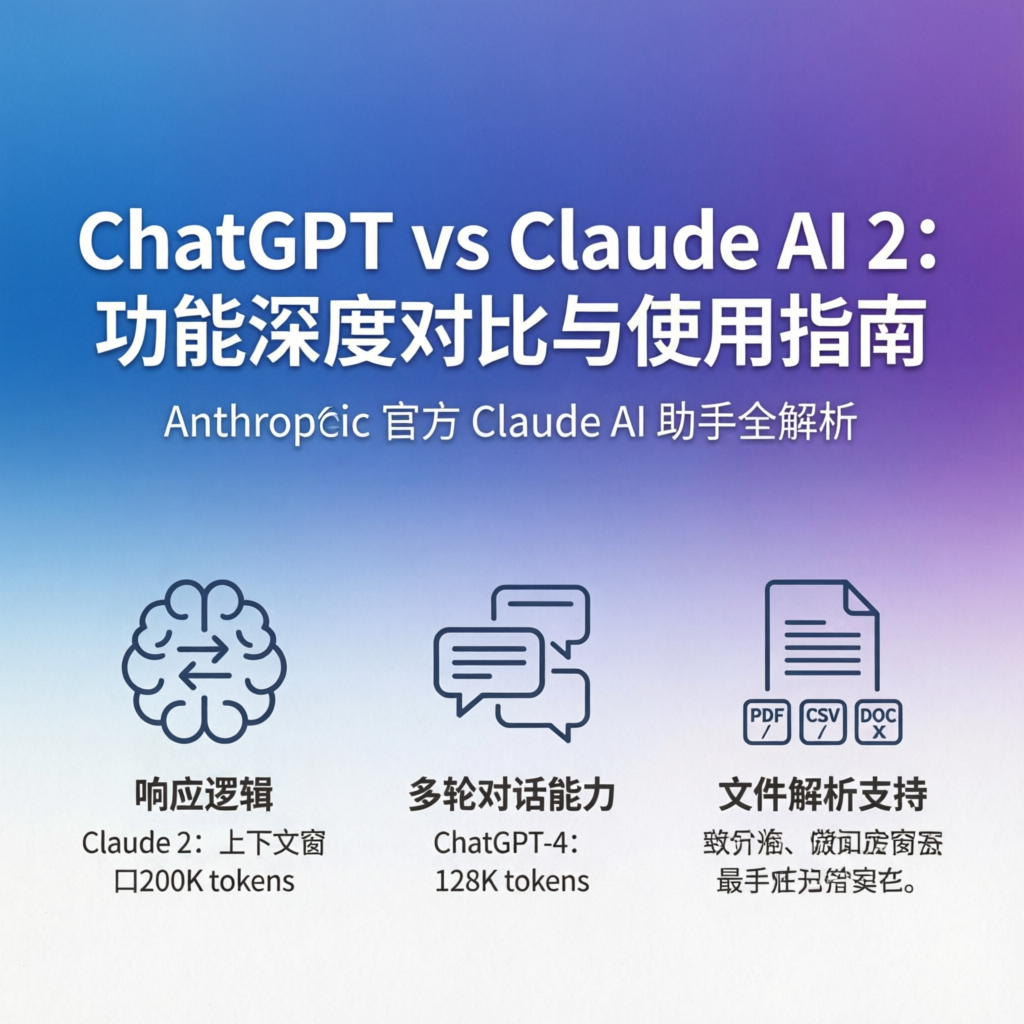
Claude’s advantage in long-form writing widened further in 2026. Its 2-million-token context window means you can feed in an entire book for analysis. Writing style is more natural, more “human” — harder for AI detection tools to flag.
Free tier: Daily usage quota on the free version.
📖 Deep dive: 2026 AI Writing Tools Comparison
3-10 Quick Takes
- Gemini: Best Google ecosystem integration, can read Gmail and Google Docs to assist writing.
- Kimi: China’s long-form champion, 2M token context, free with excellent Chinese quality.
- Doubao: ByteDance’s AI assistant, grounded Chinese writing style, great for social media.
- Notion AI: Notes and writing in one, ideal for knowledge workers.
- Jasper / Copy.ai: Marketing copy specialists with brand tone control.
- Wenxin Yiyan / Tongyi Qianwen: China’s duo, strong Chinese comprehension, free to use.
5. Top 10 AI Productivity Tools (September 2026)
The goal of AI productivity tools is clear: automate repetitive work. The 2026 trend is “AI-native office suites” — not adding an AI button to traditional software, but designing AI-first workflows from scratch.
| Rank | Tool | Free Tier | Core Feature | Rating |
|---|---|---|---|---|
| 1 | Notion AI | Limited free quota | Notes + project management + AI | 4.8 |
| 2 | Gamma | Free version available | AI presentations, one-click generation | 4.7 |
| 3 | Microsoft Copilot | Free version available | Full Office suite AI | 4.6 |
| 4 | Google Docs AI | Free | Gemini-powered, collaborative editing | 4.5 |
| 5 | Napkin AI | Free version available | Text to diagrams | 4.4 |
| 6 | Beautiful.ai | Trial version | Smart PPT design | 4.3 |
| 7 | Tome | Free version available | AI presentations | 4.2 |
| 8 | Otter.ai | Limited free quota | Meeting transcription | 4.3 |
| 9 | Airtable AI | Free version available | Smart database | 4.1 |
| 10 | Taskade | Free version available | AI project management | 4.0 |
1. Notion AI (4.8/5) — The New Paradigm for Knowledge Management
Notion AI has evolved from “writing assistant” to “knowledge operating system” in 2026. It auto-organizes meeting notes, extracts action items, generates weekly reports, and even answers team questions based on your knowledge base.
Free tier: Limited AI quota on the free plan.
📖 Deep dive: 10 Best Free AI Productivity Tools
2. Gamma (4.7/5) — The Presentation Killer
Gamma has completely changed how presentations are made — enter a description, and it generates a complete deck with layout, images, and animations. The free version allows 10 AI presentations per month.
Best for: People who regularly create reports, pitches, and educational materials.
📖 Deep dive: AI PPT Tools Comparison
3-10 Quick Takes
- Microsoft Copilot: Natural choice for Office 365 users, AI across Excel/Word/PPT.
- Google Docs AI: Gemini-powered, free with the best collaboration experience.
- Napkin AI: Auto-converts text descriptions into flowcharts and architecture diagrams.
- Beautiful.ai / Tome: AI presentation design tools with high layout quality.
- Otter.ai: Meeting recording神器, auto-transcription + key point extraction.
- Airtable AI / Taskade: Project management + AI, automated workflows.
6. How to Choose the Right AI Tool for You?
By Need
| Your Need | Recommended Tools | Why |
|---|---|---|
| Writing code | Claude Code + Cursor | Terminal + IDE dual setup, maximum efficiency |
| Design work | Midjourney + Ideogram | Quality + text rendering complement each other |
| Video creation | Kling 3.0 + Runway | Free domestic + professional control |
| Writing articles | Claude + ChatGPT | Long-form + general purpose complement |
| Making presentations | Gamma + Napkin AI | One-click generation + diagram assistance |
| Daily office work | Notion AI + Copilot | Knowledge management + document processing |
By Budget
| Budget | Recommended Combo |
|---|---|
| Zero budget | OpenCode + Flux 2 + Kling 3.0 daily check-in + Kimi + Gamma free |
| $20/month | Cursor Pro + Ideogram Pro + ChatGPT Plus |
| $50/month | Cursor + Midjourney + Claude Pro + Sora 2 |
| Enterprise | GitHub Copilot Enterprise + Notion AI + Amazon Q |
By Technical Level
| Skill Level | Recommended Tools |
|---|---|
| Beginner | ChatGPT, Gamma, Canva AI, Microsoft Copilot |
| Some experience | Cursor, Claude, Notion AI, Ideogram |
| Professional developer | Claude Code, OpenCode, Windsurf, Flux 2 (local deployment) |
| Designer | Midjourney, Recraft AI, Adobe Firefly |
7. Frequently Asked Questions
Q1: Which AI tools are completely free?
These tools offer genuine free usage (not just trials):
- Coding: OpenCode (fully open source), DeepSeek Code (ultra-low API pricing), Trae (free)
- Image: Flux 2 (open source), Stable Diffusion 4 (open source), Nano Banana
- Writing: Kimi (free), Doubao (free), Tongyi Qianwen (free)
- Productivity: Google Docs AI (free), Napkin AI (free version available)
Q2: Will AI tools replace my job?
Not in the short term, but they will change how you work. In 2026, AI tools are more like “super assistants” than “replacements.” Programmers who use AI tools are 3-5x more productive than those who don’t, but AI still can’t independently handle work requiring creative thinking and complex decision-making.
Recommendation: Instead of worrying about replacement, learn to collaborate with AI. Delegate repetitive work to AI and focus your energy on high-value judgment and creation.
Q3: How to avoid AI hallucination problems?
Hallucination is when AI fabricates non-existent information. Ways to reduce it:
- Choose tools with web search (ChatGPT, Perplexity, Gemini) so they base answers on real information
- Ask AI to provide citations and manually verify them
- Narrow the question scope — the more specific, the fewer hallucinations
- Use domain-specific fine-tuned models (DeepSeek Code has much lower hallucination rates for coding than general models)
- Cross-validate — use multiple AI tools for the same question and compare results
Q4: What are good domestic (Chinese) AI tools?
By 2026, China’s AI tools have formed a complete ecosystem:
- Coding: Trae (IDE), Qwen Coder, Kimi K3
- Image: Hailuo AI (MiniMax), Tongyi Wanxiang
- Video: Kling 3.0 (Kuaishou), Seedance 2.0 (ByteDance), Hailuo Video
- Writing: Kimi, Doubao, Wenxin Yiyan, Tongyi Qianwen
- Productivity: Feishu AI, DingTalk AI, WPS AI
Q5: Are AI tools’ data secure?
It depends on which tools you use and what data you send. Security recommendations:
- Read privacy policies — confirm the AI doesn’t use your input for training
- Use local deployment for sensitive code/data (Ollama + Llama 3, Flux 2 local deployment)
- Enterprise users should choose tools with compliance certifications (Adobe Firefly has copyright protection, Amazon Q has enterprise-grade security)
- Never input passwords, API keys, or customer private data into AI tools
- In China, choose products from major companies with proper registration (Alibaba, Baidu, ByteDance, Kuaishou, etc.)
Conclusion
The AI tool market in September 2026 can be described as “a hundred flowers blooming.” In coding, Claude Code and Cursor stand as twin pillars; in image generation, Midjourney and Flux 2 each excel; in video, Sora 2 and Kling 3.0 are hard to separate.
Our advice: Don’t be greedy. Choose 1-2 tools per category and use them deeply — that’s more effective than superficially trying 50 tools. Start with the recommended combos in the “By Need” section above, spend two weeks forming your workflow, then expand based on actual needs.
This guide will be continuously updated. If you find a tool has become outdated, or have better recommendations, let us know in the comments.
We hope this guide helps you find the perfect AI tool for your needs!
Last updated: September 27, 2026